Case Studies · Rent by the Room
Seven Rooms in Gwinnett County: A Rent-by-the-Room Case Study
How a single-family house became a seven-bedroom PadSplit home, and what it earns at full occupancy.
- Purchase Price
- $385,000
- Bedrooms
- 7
- Avg. Monthly Payout
- $4,718
- Monthly Cash Flow
- $1,703
01
The Find
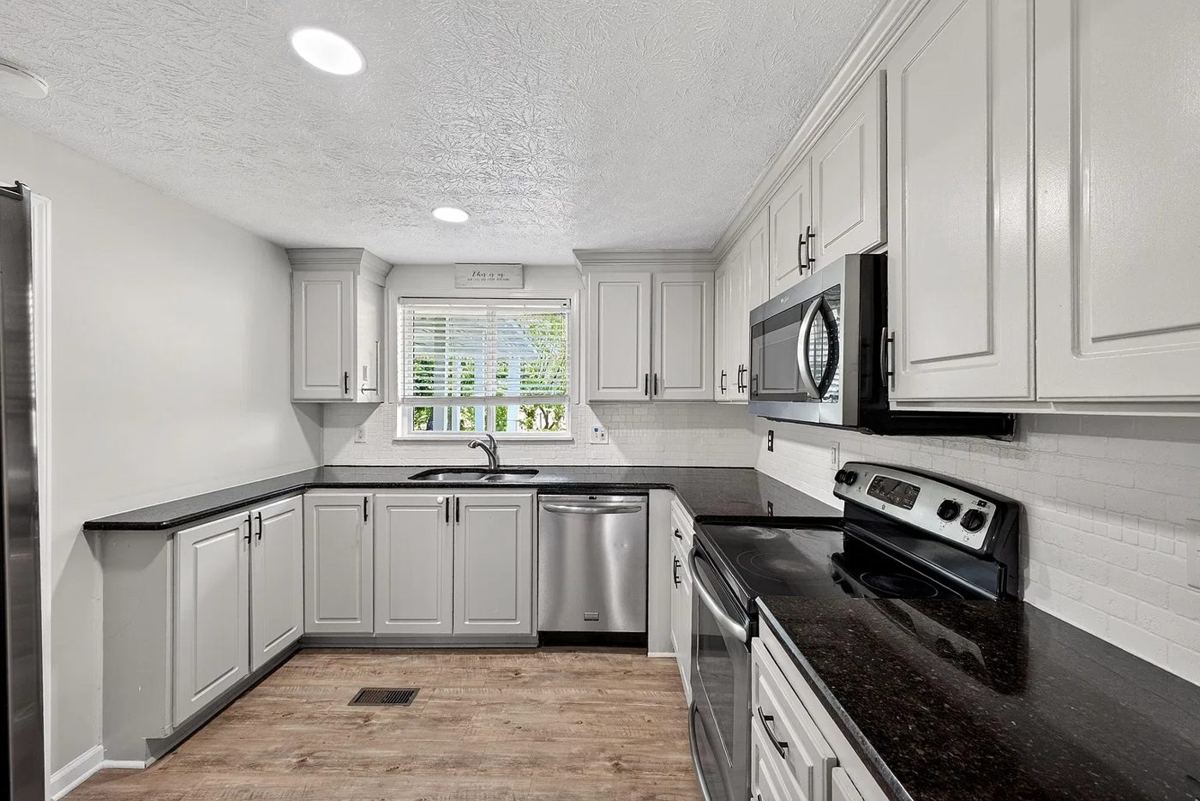
The investor's goal was a house that could work as a rent-by-the-room home on PadSplit, where members rent private furnished rooms and share the kitchen, living spaces, and utilities.
Before looking at listings, the first step was studying the area itself: who lives and works nearby, and how easily residents can get around. Demographics and access to public transportation came first, because a room only earns money if there is steady demand from people who want to live in the area.
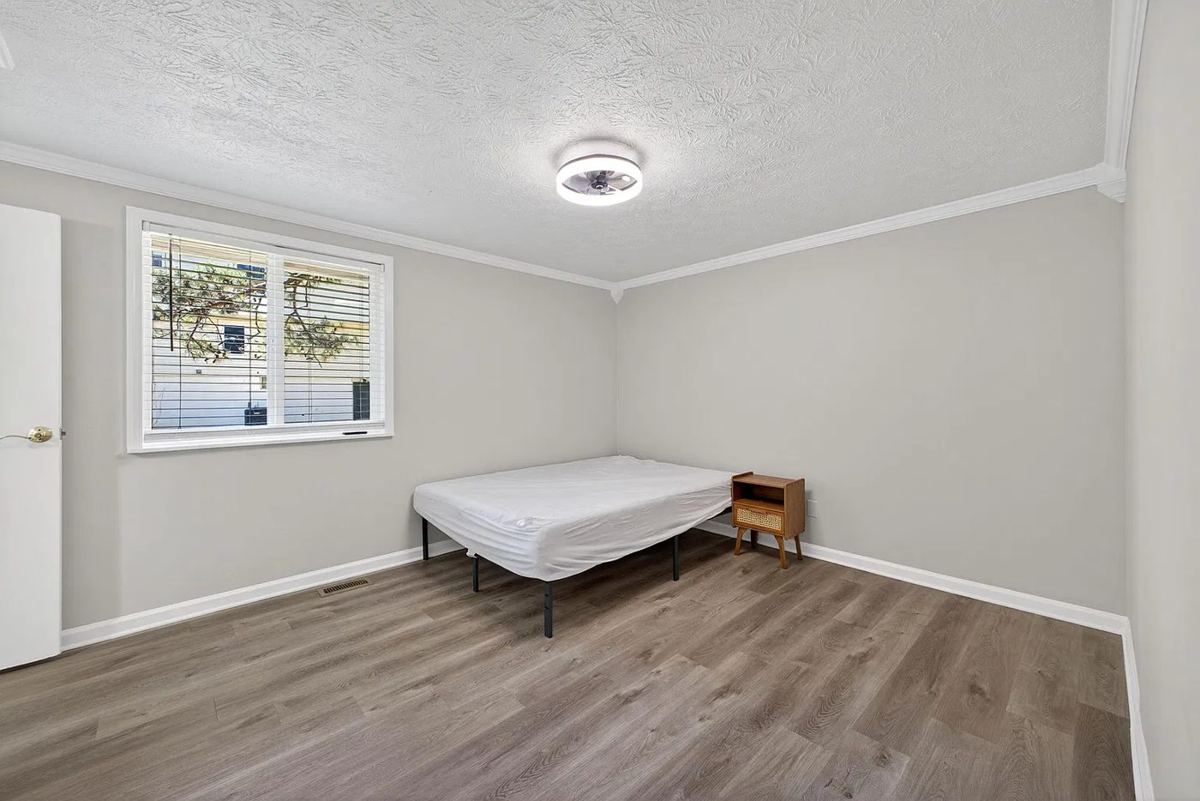
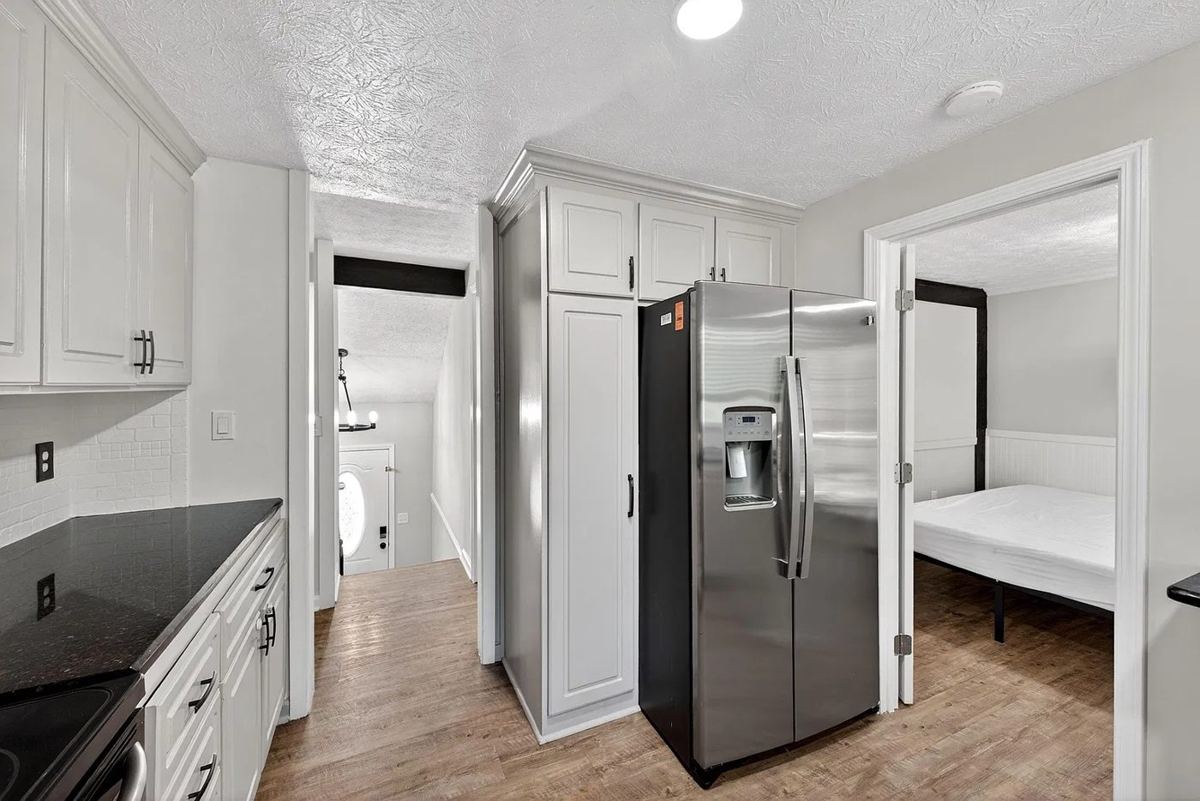
Then the search turned to a house with room to grow. The one purchased had the size and flow to add bedrooms while keeping the kitchen and common areas open and easy to share. A $12,250 renovation took it to seven private bedrooms.
The rooms went live on PadSplit about three weeks after closing.
What We Were Looking For
- At least 3 to 4 bedrooms to start
- 2,000+ square feet
- No HOA
- A layout that allows bedrooms to be added
- Common areas that flow well
- Strong demographics and access to public transportation
02
The Numbers
| Purchase Price | $385,000 |
|---|---|
| Seller Credits at Closing | −$16,500 |
| Down Payment (20%) | $77,000 |
| Renovation (to 7 Bedrooms) | $12,250 |
| Total Cash Invested* | $89,250 |
| Loan Amount | $308,000 |
| Rate & Term | 6.00% · 30 Years |
| Principal & Interest | $1,846.62 |
|---|---|
| Property Taxes ($3,698.70/yr) | $308 |
| Insurance ($1,916.72/yr) | $160 |
| Mortgage, Taxes & Insurance | $2,315 |
| Power | $300 |
| Water & Sewer | $200 |
| Gas | $70 |
| Landscaping | $65 |
| Internet | $60 |
| Utilities & Services Budget | $700 |
- Your Payout
- PadSplit Service Fee
- Booking Fees
Month by Month
| Month | Collected | PadSplit Fees | Your Payout | Mortgage, Taxes & Ins. | Utilities | Cash Flow |
|---|---|---|---|---|---|---|
| Apr 2026* | $1,010 | −$757 | $253 | −$2,315 | −$222 | −$2,284 |
| May 2026 | $4,887 | −$1,583 | $3,304 | −$2,315 | −$475 | $514 |
| Jun 2026 | $4,487 | −$582 | $3,906 | −$2,315 | −$576 | $1,015 |
| Jul 2026 | $4,520 | −$943 | $3,577 | −$2,315 | −$661 | $601 |
| Aug 2026 | $5,665 | −$877 | $4,788 | −$2,315 | −$700† | $1,773 |
| Sep 2026 | $5,364 | −$429 | $4,935 | −$2,315 | −$700† | $1,920 |
| Oct 2026 | $4,818 | −$385 | $4,433 | −$2,315 | −$700† | $1,418 |
| Total to Date | $30,752 | −$5,557 | $25,195 | −$16,205 | −$4,034 | $4,956 |
* April was a partial month because the rooms went live partway through it. Mortgage, taxes, and insurance are counted in full every month for a conservative view. † Utilities are actual bills for April through July and the $700 monthly budget after that. October payout is scheduled for November.
A Typical Month at Full Occupancy
Averaging August through October, the house pays out $4,718 a month after PadSplit's fees. Here is where it goes:
- Principal & Interest$1,84739%
- Property Taxes$3087%
- Insurance$1603%
- Utilities & Services$70015%
- Cash Flow to Owner$1,70336%
Rent by the Room vs. a Traditional Rental
Even after paying every utility, renting by the room brings in about $1,493 more per month (59% more) than renting the whole house to one tenant. In exchange, it takes more hands-on management.
* Total cash invested assumes the $16,500 in seller credits covered closing costs. Cash flow is shown before cleaning, quarterly pest control, maintenance, and reserves. Cap rate uses net operating income before reserves. DSCR is monthly payout divided by mortgage, taxes, and insurance. Long-term rent estimate: Zillow Rent Zestimate, October 2026.
03
The Takeaways
Lessons Learned
- Pick the market before the house. Researching demographics and transit first paid off. The rooms filled and payouts reached their highest level by August, about four months after going live.
- Layout is the multiplier. Size, flow, and no HOA are what made seven bedrooms possible. The renovation worked out to about $1,750 per room, and the house now earns about 1.6 times what Zillow estimates it would rent for to a single tenant, even after utilities.
- Budget for the lease-up. The first months earn less. April was a partial month, and booking fees took a bigger cut early on ($735 in April and $1,296 in May) before dropping to $0 by September once the rooms were full. Keep reserves to carry the ramp-up.
- You pay the utilities, and they swing with the seasons. Power went from $57 in April to $300 in July as summer arrived. Budget about $700 a month at full occupancy, and expect summer and winter to run higher.
- Negotiate the closing. $16,500 in seller credits kept the cash needed to close down, which lifts the cash-on-cash return.
- Plan the tax strategy early. A cost segregation study with bonus depreciation can accelerate tax savings on a property like this. If you have real estate professional status (REPS), you may be able to take full advantage of it. Consult your tax professional about your particular case.
Summary
A single-family house bought for $385,000 with $16,500 in seller credits, converted to seven bedrooms for $12,250, now averages about $4,718 a month in PadSplit payouts at full occupancy. After the mortgage, taxes, insurance, and utilities, that leaves about $1,703 a month in cash flow, roughly a 23% annual cash-on-cash return on about $89,250 invested.
Case studies are based on real scenarios and are shared for educational purposes. Identifying details are left out. Figures are rounded and some costs are simplified. Past results do not guarantee future performance, and nothing here is investment, tax, or legal advice.